
Broadway Insights · Dubai Infrastructure
Three Minutes
to the Marina
A new 1,500-metre bridge is about to turn a 12-minute crawl into a 3-minute glide straight into Dubai Harbour. Here’s why that’s a bigger deal than it sounds.
Anyone who has tried to reach Dubai Harbour from Sheikh Zayed Road during peak hours knows the drill: the exit, the signals, the loop around before you finally see the masts. The RTA has just confirmed that particular frustration is about to become a memory.
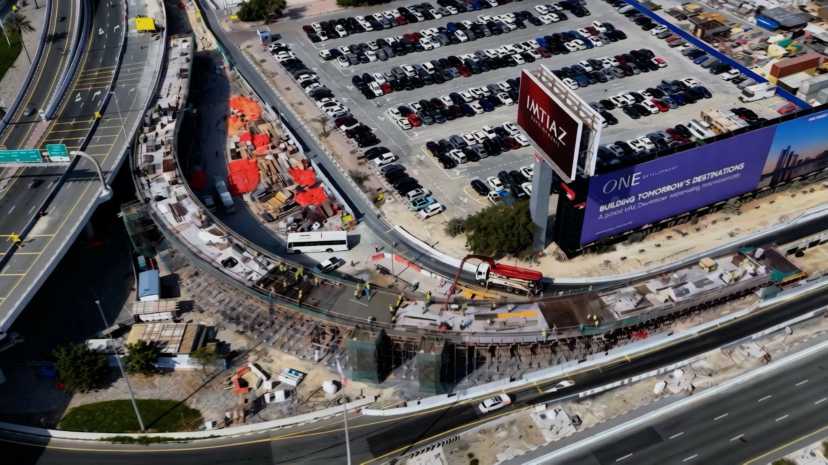
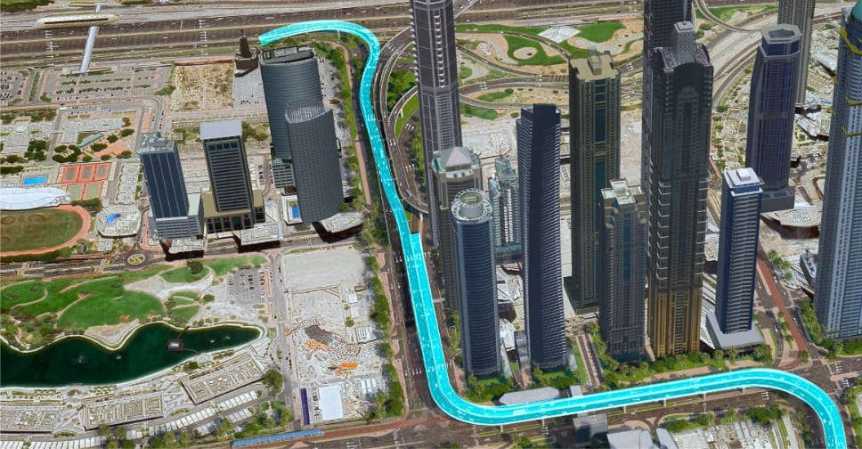
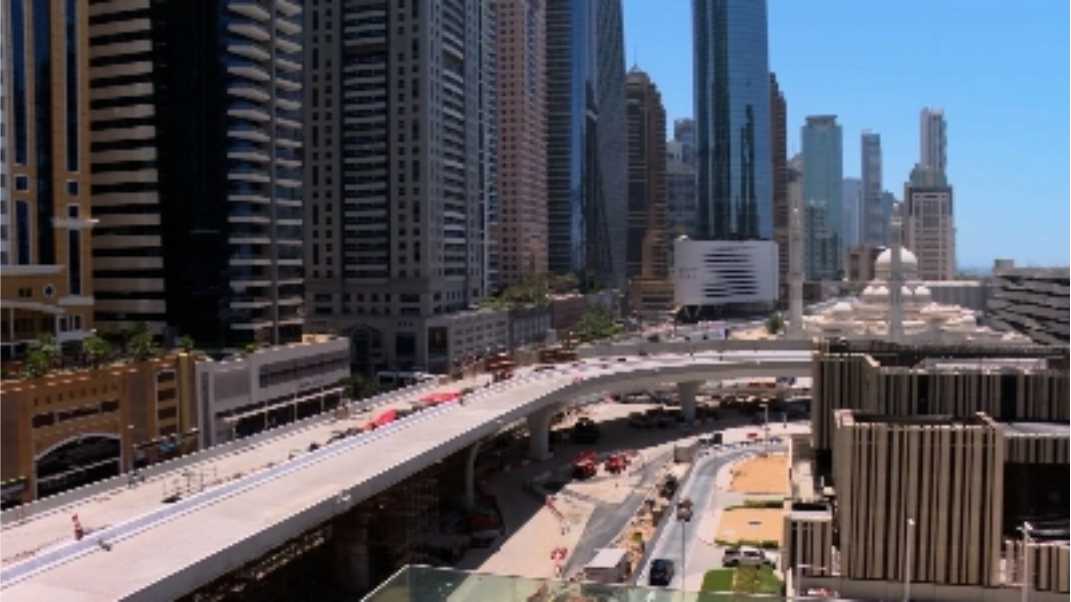
A new 1,500-metre bridge, now 90% complete, will hand motorists a direct line between Sheikh Zayed Road and Dubai Harbour — home to the largest yacht marina in the Middle East. Once it opens, the journey drops from around 12 minutes to just 3.
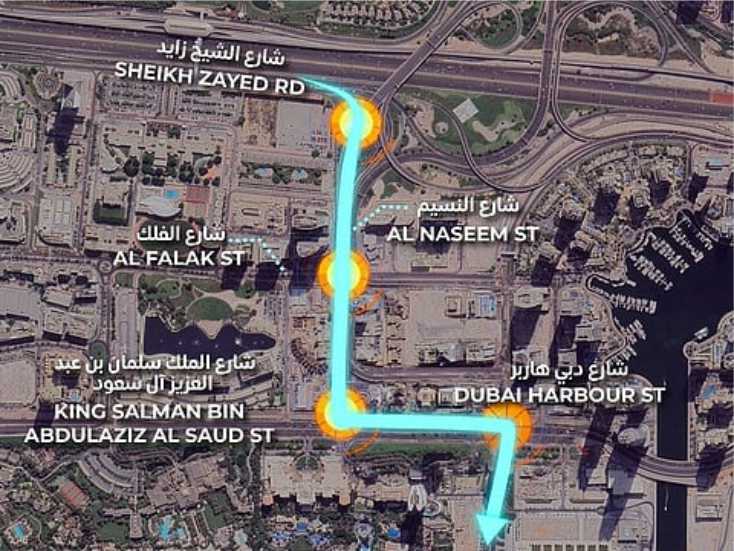
The route, in three moves
The bridge runs two lanes in each direction, starting at Interchange 5 on Sheikh Zayed Road near the American University in Dubai, passing over the Al Naseem Street and Al Falak Street intersection, crossing King Salman Bin Abdulaziz Al Saud Street, and landing directly on Dubai Harbour Street. Four intersections along the corridor are also being upgraded to keep traffic moving at ground level.
Sheikh Zayed Road → Dubai Harbour
Traffic opens from both the Deira and Jebel Ali directions of Sheikh Zayed Road straight into Dubai Harbour.
Dubai Harbour → Al Naseem Street
The return route opens, along with access from the bridge to the King Salman Bin Abdulaziz Al Saud Street / Al Naseem Street intersection — completing the loop in both directions.
What it actually took to build
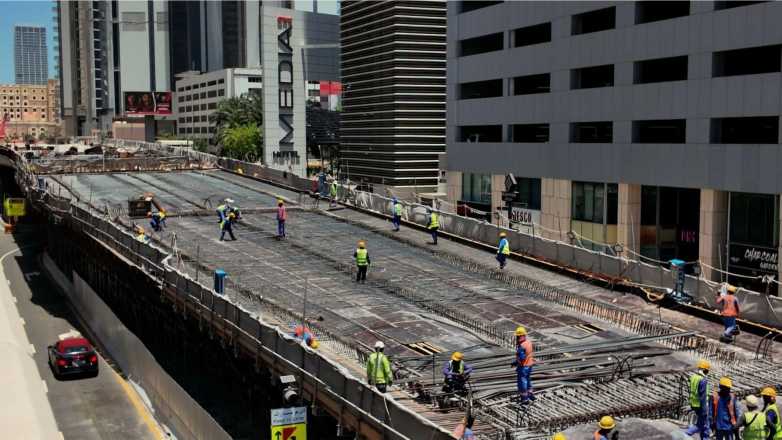
Numbers like these rarely make it past the press release, but they’re worth sitting with for a second.
Why nine minutes matters more than it sounds
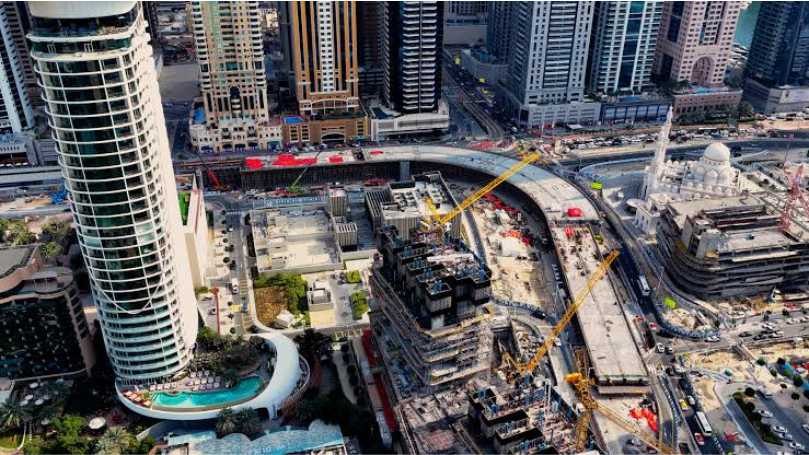
Dubai Harbour isn’t just a marina. It’s one of the city’s fastest-growing waterfront districts — cruise terminal, beachfront residences, restaurants, and a skyline of towers rising along the coast, all built around access to the water. The one thing that district has never had is an easy front door from the city’s main artery.
Enhanced connectivity is fundamental to creating great destinations.
Abdulla Binhabtoor · CEO, Shamal Holding
That’s the quiet subtext of every infrastructure announcement like this one: roads don’t just move cars, they move value. Dubai’s most established prime addresses — Downtown, Marina, JBR — all saw the same pattern play out years ago, where a metro line or a new interchange arrived first, and price appreciation for surrounding property followed once the friction of getting there disappeared.
What this means if you’re watching the waterfront
For a district built on waterfront living, cutting the commute from “annoying” to “practically instant” removes one of the last real friction points between Dubai Harbour and the rest of the city. That’s the kind of infrastructure milestone worth watching closely if you already own here — or if you’ve been circling the district and waiting for the right signal to move.
Curious what this means for property values along the harbour?
Our team tracks how infrastructure milestones like this one tend to move demand and pricing in the districts they touch.