Broadway Insights · Dubai Infrastructure
Only Three Roads Existed.
Dubai Just Approved a Fourth.
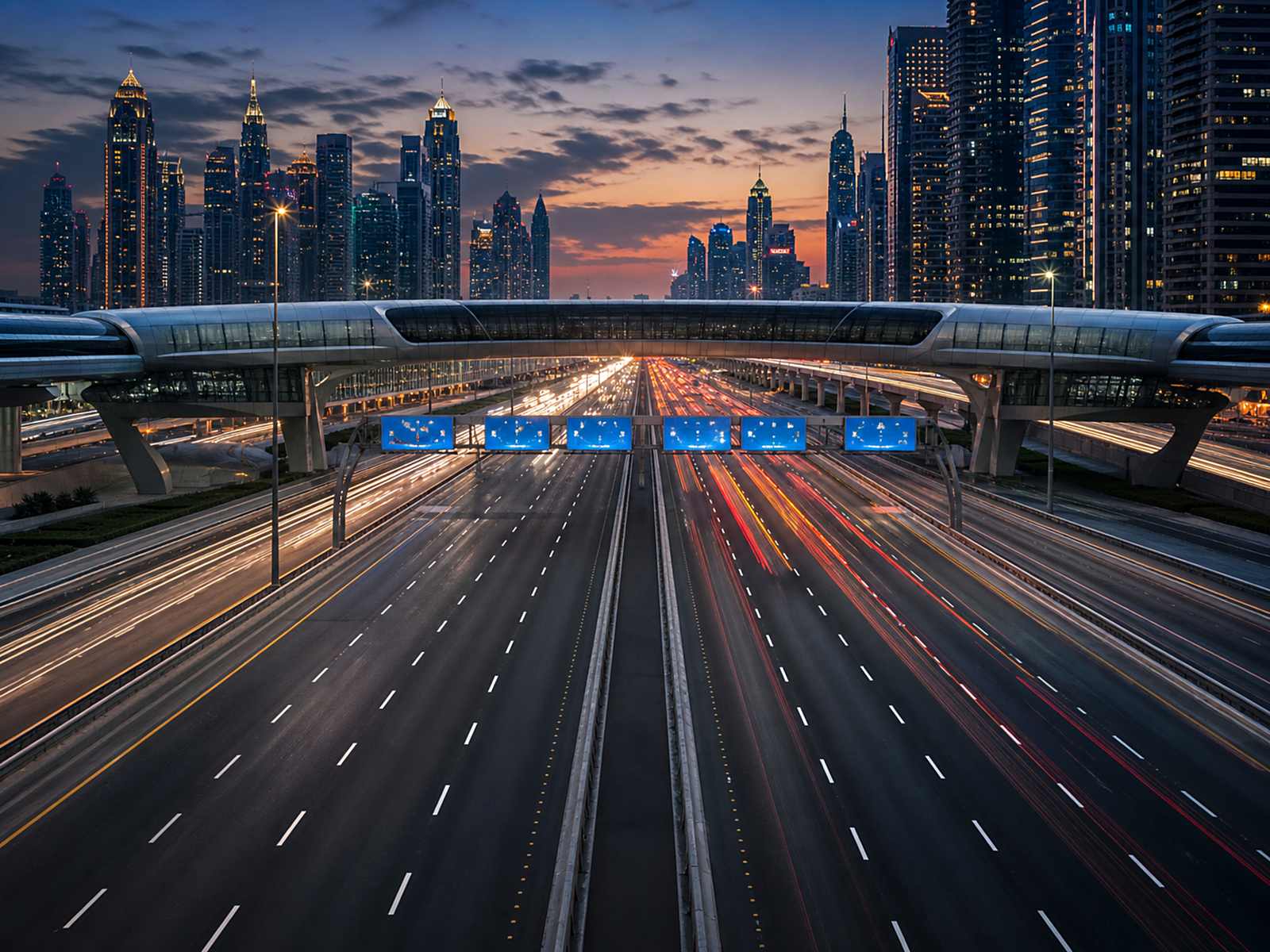
An 80km corridor connecting Abu Dhabi, Dubai and Sharjah has just been approved — cutting a 50-minute drive to 24, and quietly redrawing which parts of the emirate are about to become commutable.
For as long as most residents can remember, moving between the UAE’s three biggest emirates has meant one of three roads. This week, Dubai’s Crown Prince Sheikh Hamdan bin Mohammed bin Rashid Al Maktoum approved a fourth.
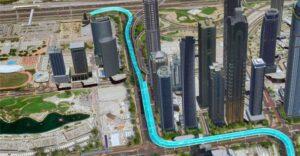
It’s called, fittingly, the New Fourth Corridor — an 80-kilometre route that will run from Al Faya Road in Abu Dhabi to Al Shanouf Road in Sharjah, cutting straight through Dubai along the way. It’s one of the more consequential infrastructure announcements this market has seen in months, and most of what it actually means hasn’t been widely unpacked yet.
Why it’s called the fourth
The name isn’t marketing — it’s literal. This becomes the fourth strategic road axis linking the UAE’s emirates, joining three routes that have carried that traffic for years:
Sheikh Zayed Road / Al Ittihad Road
Sheikh Mohammed Bin Zayed Road
Emirates Road
The New Fourth Corridor
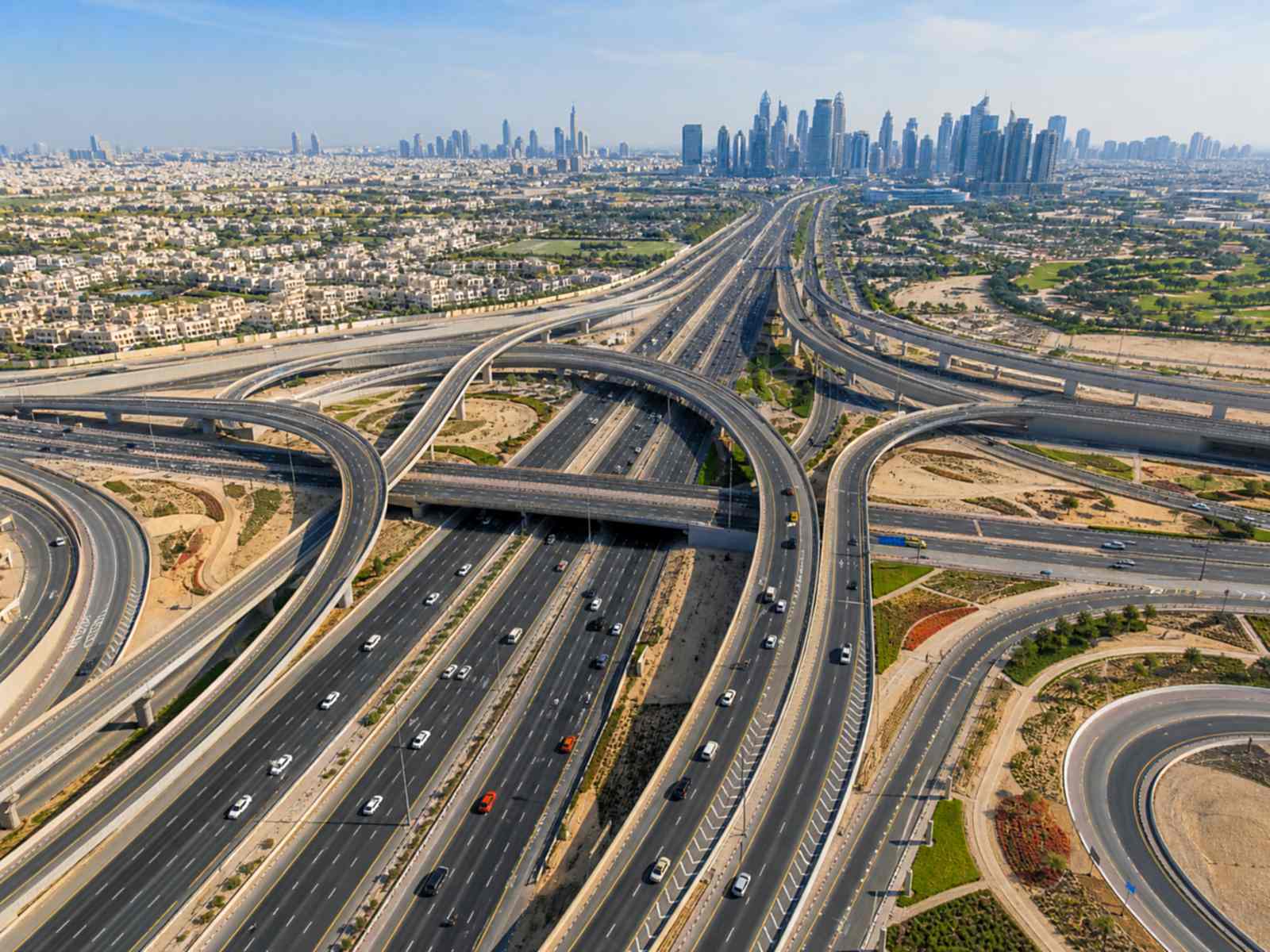
Three arteries have carried the entire load of inter-emirate traffic — commuters, freight, everything — for years. A fourth doesn’t just add capacity. It gives Dubai’s road network a release valve it has never had.
The route, in two phases
The corridor is being delivered in two stages, and the two halves are strikingly different in scale.
Sharjah to Dubai–Al Ain Road
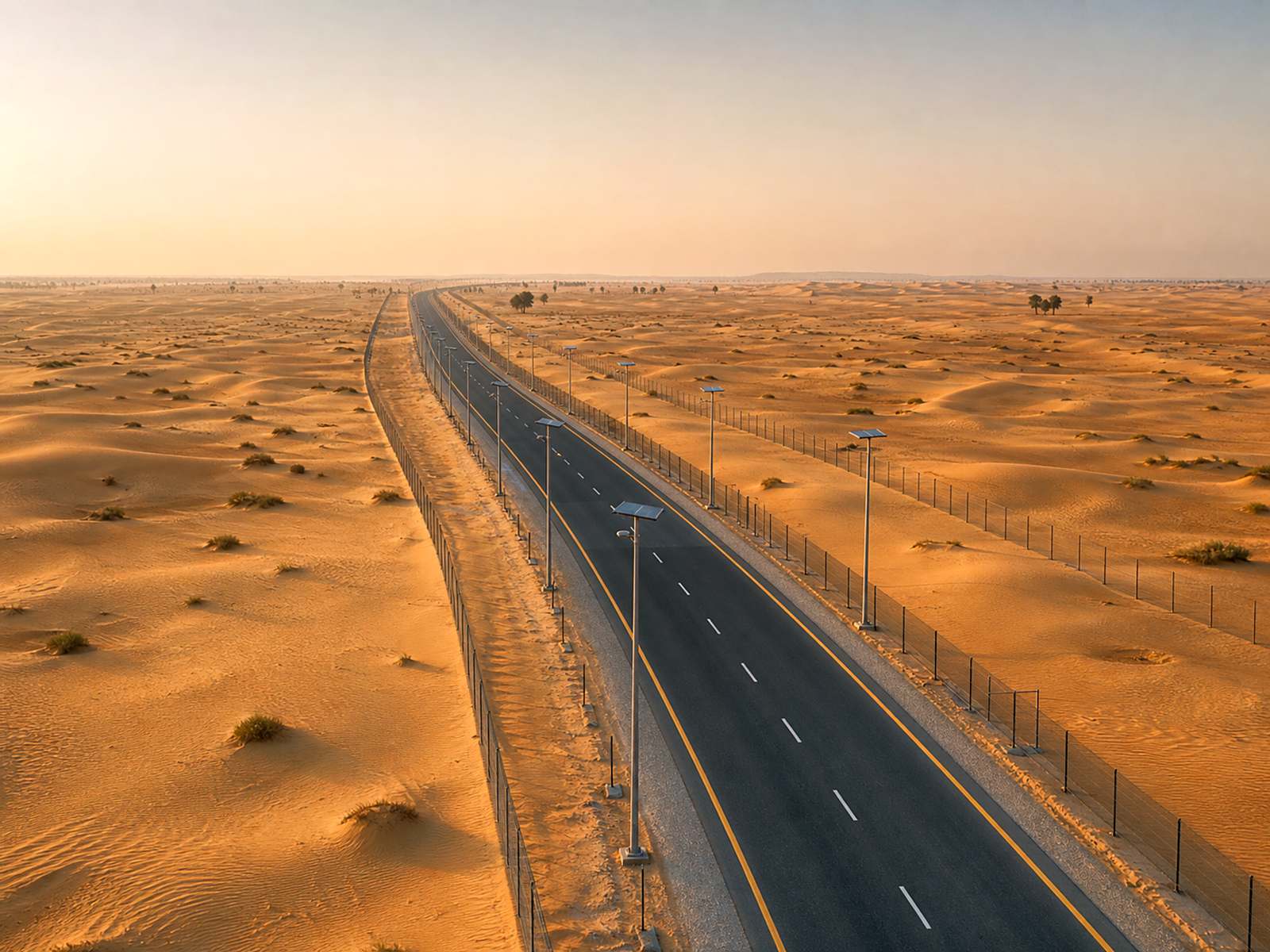
Runs from Al Shanouf Road in Sharjah to Dubai–Al Ain Road. Projected to cut a 35-minute drive to around 14 minutes, and expected to serve roughly 600,000 people. Includes widening Dubai–Al Ain Road from three to four lanes in each direction between Emirates Road and Lehbab Road, plus upgrades to four major intersections.
Dubai–Al Ain Road to Abu Dhabi
Extends from Dubai–Al Ain Road to Al Faya Road in Abu Dhabi, built to carry up to 24,000 vehicles an hour. Projected to cut a 50-minute journey to 24 minutes — a 52% reduction — serving an estimated 3.1 million people.
What’s actually going into the ground
Across both phases, the corridor’s engineering scope is substantial for a road project of this kind:
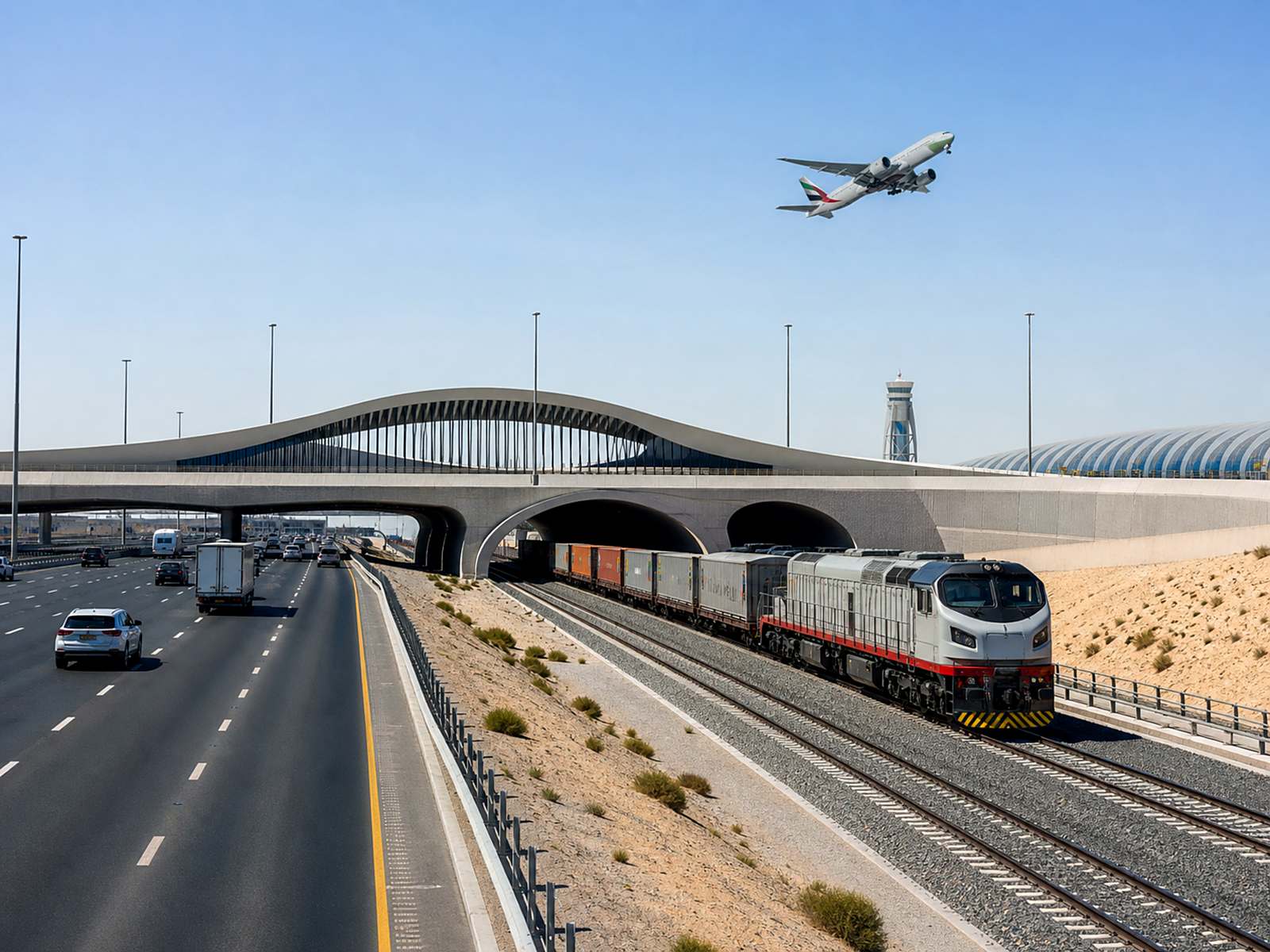
The route also passes some genuinely significant landmarks along the way — Al Maktoum International Airport, the Al Marmoom and Al Wohoosh Desert Conservation Reserves, and it runs alongside the Etihad Rail line for a stretch. That’s not incidental: a corridor that touches the airport earmarked to become Dubai’s next mega-hub, while running parallel to the national rail freight line, is being built with logistics as much as commuters in mind.
Part of Dubai’s continuous efforts to develop integrated and sustainable infrastructure that keeps pace with the city’s rapid urban and population growth.
Mattar Al Tayer · Director General, Dubai’s Roads and Transport Authority
Why this is bigger than a road
The stated purpose is straightforward: pull heavy trucks and through-traffic out of the city’s core, ease pressure on the three existing corridors, and improve safety on roads that were never designed to carry today’s volumes. But the choice of route says more than the stated purpose does.
Running the corridor past Al Maktoum International Airport ties it directly to Dubai South and the emirate’s long-term aviation and logistics ambitions. Running it alongside Etihad Rail links it to the national freight backbone. And widening Dubai–Al Ain Road from three to four lanes each way signals that this corridor is meant to absorb serious volume from day one, not simply exist as a scenic alternative.
What it means if you’re watching property
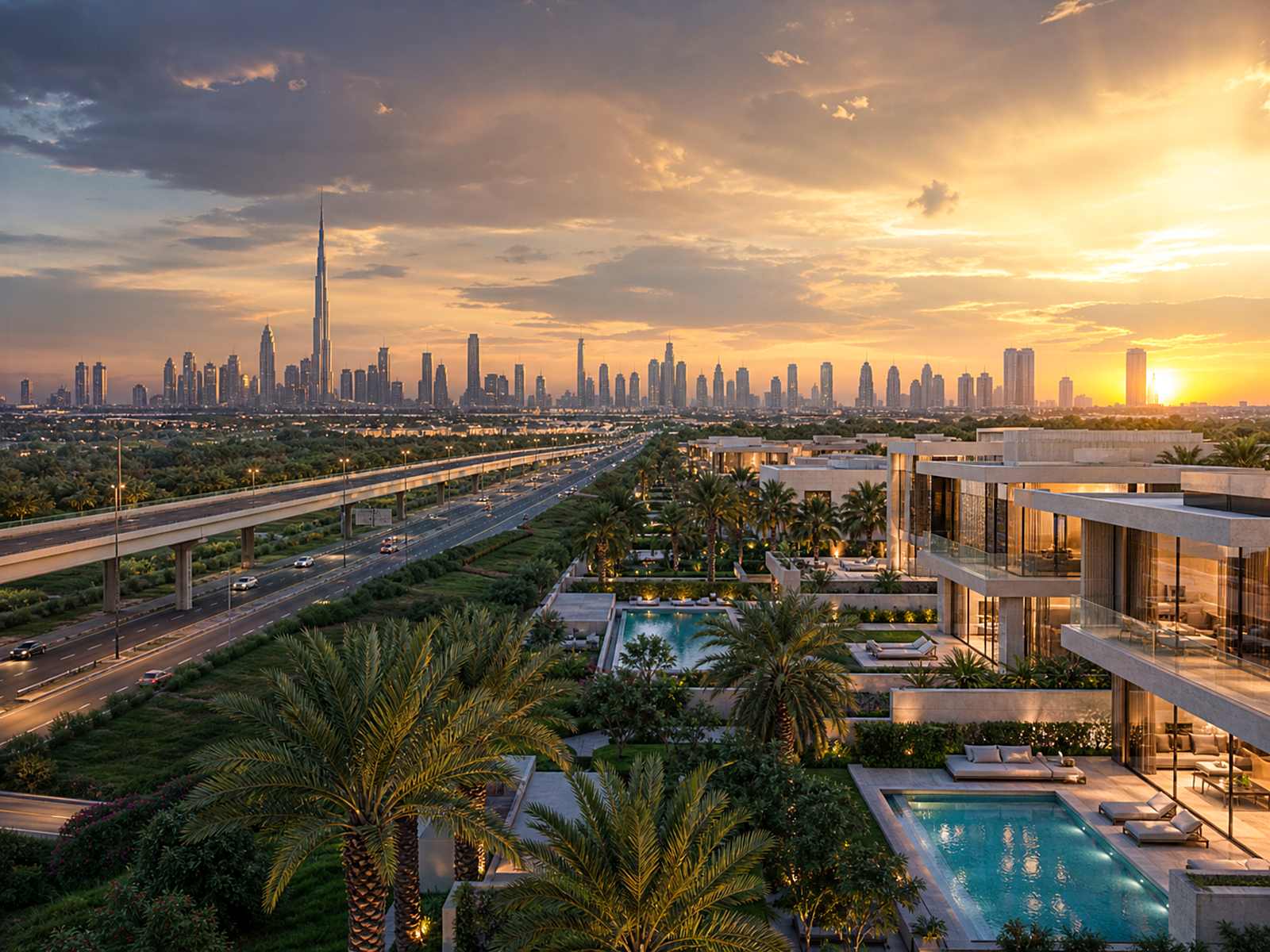
The pattern is one we’ve written about before: connectivity tends to move property value before anyone officially draws the line on a map. A road that cuts a 50-minute drive to 24 doesn’t just save time — it quietly expands the radius of what counts as “commutable” from Dubai, which is exactly the kind of shift that tends to show up in demand along a corridor years before it shows up in headlines.
Communities along the Dubai–Al Ain Road corridor, and areas near Dubai South and Al Maktoum International Airport, are the most directly touched by this announcement. Worth being clear about the timeline, though: the RTA has not announced an opening date for either phase, and the travel-time projections apply once construction is complete, not today. This is a multi-year story, not a next-quarter one — which makes it exactly the kind of signal worth tracking early, rather than reacting to late.
Want to know which communities this actually touches?
Our team is mapping the Fourth Corridor’s route against Dubai’s current and upcoming residential communities.